About This Event
Even among the pantheon of music’s finest artists, Del McCoury stands alone. From the nascent sound of bluegrass that
charmed hardscrabble hillbilly honkytonks, rural schoolhouse stages, and the crowning glory of the Grand Ole Opry to the
present-day culture-buzz of viral videos and digital streams, Del is the living link. On primetime and late-night television talk
shows, there is Del. From headlining sold-out concerts to music festivals of all genres, including one carrying his namesake,
there is Del. Where audiences number in the tens of thousands, and admirers as diverse as country-rock icon Steve Earle and
jamband royalty Phish count as a few among hundreds, there is Del.
Emerging from humble beginnings in York County, PA nearly eighty years ago, Del was not the likeliest of candidates for
legendary status. As a teen, he was captivated by the banjo playing of one of its masters, Earl Scruggs, and decided he’d be a
banjo picker, too. The Baltimore/Washington, D.C. bar scene of the early 1960s was lively and rough. Del caught a break. More
than a break, really. It was an opportunity of a lifetime; joining Bill Monroe's Blue Grass Boys in early 1963. Considered the
Father of Bluegrass, Monroe transformed McCoury, moving him from the banjo to guitar, anointing him lead singer, and
providing him with a priceless trove of bluegrass tutelage direct from the source.
Countless hours of recording sessions and miles of tireless touring dotted the decades. Del carried on, and carried with him
the hallowed traditions of the form and its dedicated following. The passing years became certificates of authenticity. So, in the
sea of grunge and R&B that dominated the music scene of the mid-1990s, it was special, perhaps even startling, to see: There
was Del.
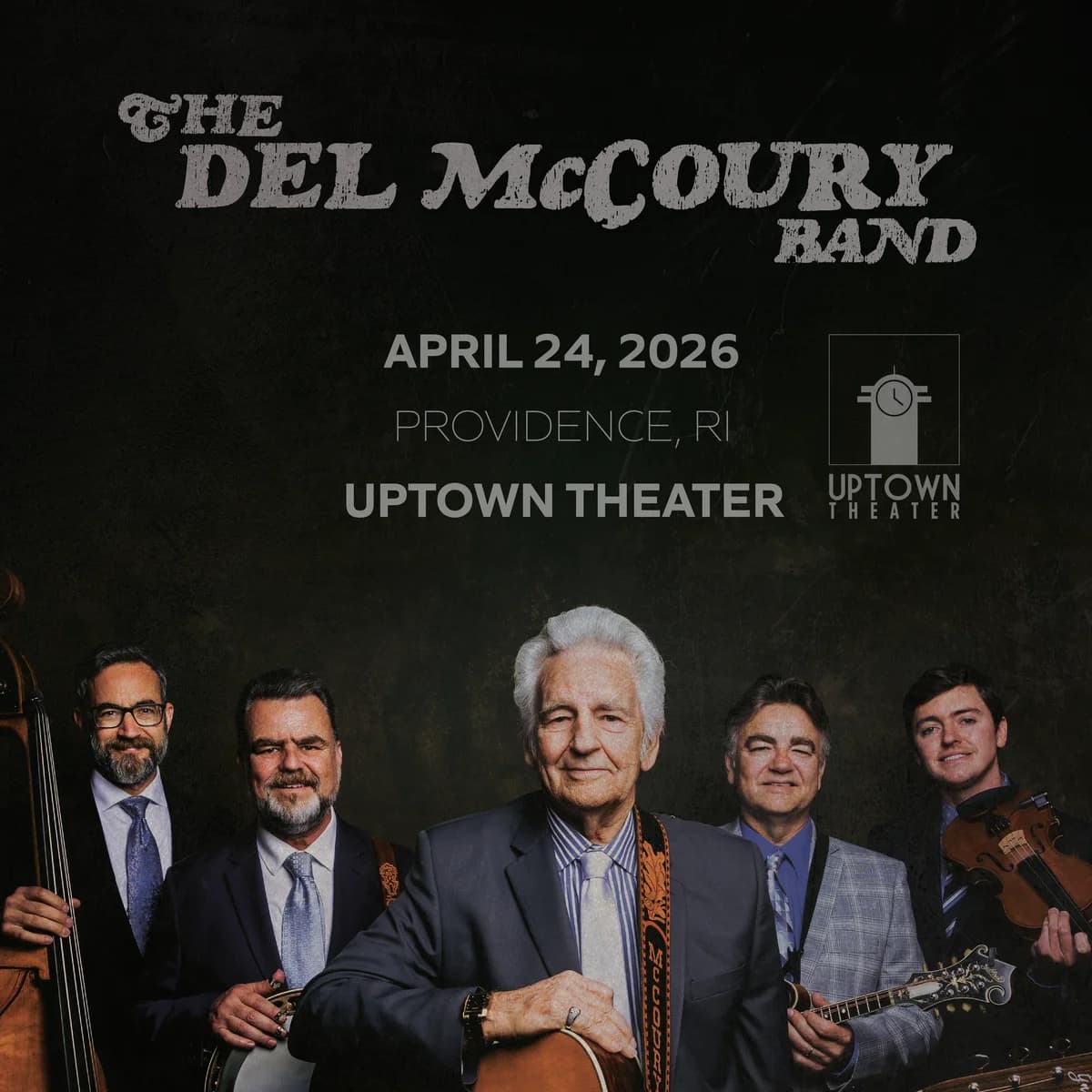
Now helming the Del McCoury Band, with sons Ronnie and Rob, the ensemble did and continues to represent in a larger,
growing musical community a peerless torchbearer for the entire sweep and scope of bluegrass history. Those many years, not
to mention a good-natured willingness to stay alert to the latest sounds and opportunities around him, earned McCoury a
whole new generation of fans, including some in unlikely places.
“I’m just doing what’s natural,” says Del. “When young musicians ask me what they should do I always tell them, ‘You do
whatever’s inside of you. Do what you do best.’”
“If you put your mind, your skills, and your ability to it, I think you can make just about anything work on bluegrass instruments,” says Ronnie. “That’s a really fun part of this—figuring the new stuff out and surprising the audience.”
The newest member of the band, fiddler Christian Ward, joined after Jason Carter moved on to pursue a solo career. Bassist Alan Bartram, and Cody Kilby on guitar, they assembled a group that could take what they had in their DNA, the traditions they learned and heard, and push the music forward. In fact, the band became the only group to have each of its members recognized with an International Bluegrass Music Association Award for their instrument at least once. There were peers, too, that could see bluegrass as both historic and progressive. Rock and Roll Hall of Fame inductees The Allman Brothers Band, improv-rock kings Phish, and jamband contemporary Keller Williams were just a few that formed a mutual admiration society with the ensemble.
The band played the Allman’s Wanee Festival and guitarist Warren Haynes’ Christmas Jam—an annual holiday homecoming of Southern music. An early-years jam with the Lee Boys was hailed by many as the highlight of the evening, and with the video catching fire online, earned a legion of new, young fans of their supercharged combination of sacred steel, R&B, and bluegrass. There were unforgettable collaborations with country smash Dierks Bentley, onstage magic jamming with titans String Cheese Incident and Phish, cutting an album with Keller (Pick), and creating the Grateful Ball—a tribute concert-turned-tour bridging bluegrass with the iconic music of the Grateful Dead.
“That’s something that’s part of us being who we are,” says Ronnie. “It comes, too, with us plugging in. It gets louder, for sure. We can’t be another version of our dad’s band. It wouldn’t make any sense for us to do that.”
Their concerts became can’t-miss events, whether headlining historic venues or as festival favorites, drawing the love and respect of a growing fanbase craving their eclectic repertoire. At the 2016 edition of DelFest, an annual gathering of the genre’s best aptly named for the McCoury patriarch, the band delivered the take-away highlight. Rolling Stone called it “a sublime combination of rock and bluegrass, contemporary and classic, old and young. The best set of the festival…” The river was going new places, getting stronger. It was time to re-draw the map.